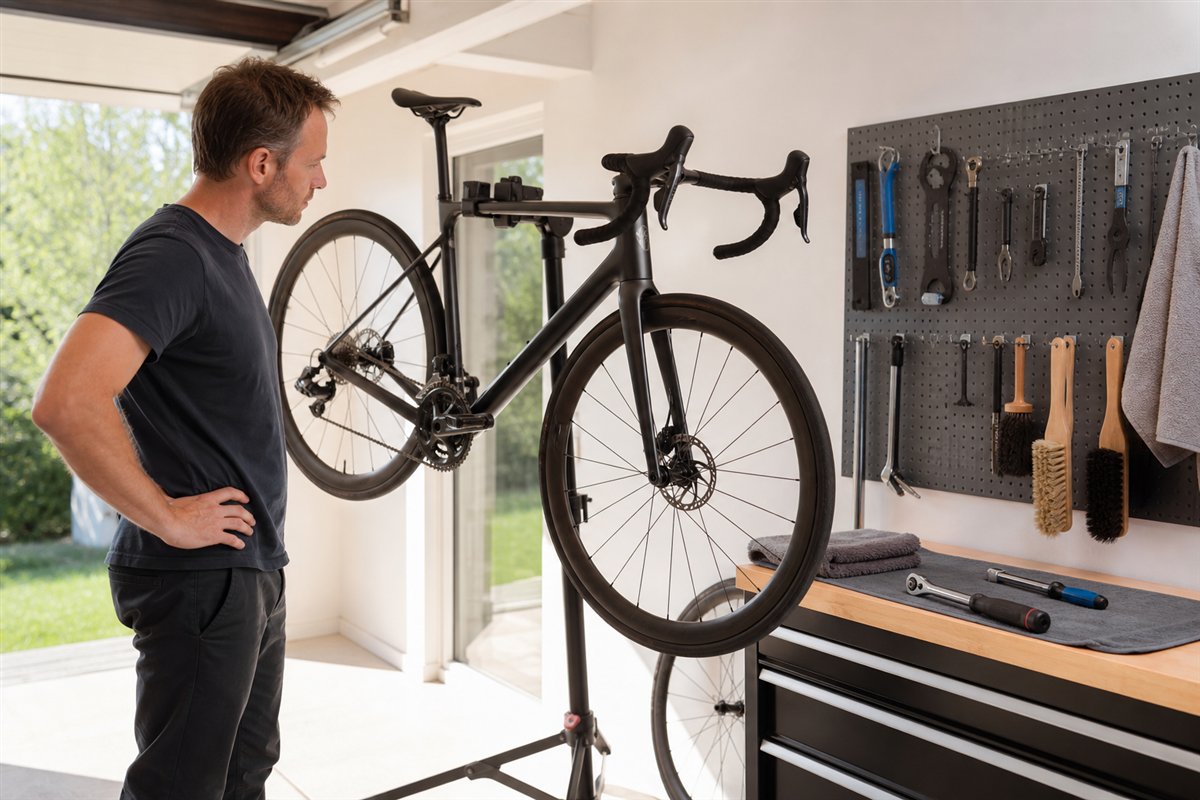
Replace a bicycle tire when you find exposed casing, a bulge, damaged bead, deep structural cut, severe cracking, or tread wear that compromises grip. Mileage alone is not enough: load, pressure, surfaces, weather, and storage can shorten or extend tire life.
Seven replacement signs
- Fabric casing threads are visible through tread or sidewall.
- A localized bulge changes the tire’s shape.
- The bead is cut, distorted, or will not remain seated.
- A cut opens under normal pressure or exposes structural material.
- Sidewall cracks are deep, widespread, or accompanied by stiffness.
- The tire has repeated punctures concentrated in a worn section.
- Tread indicators are gone or the profile no longer suits the intended surface.
Do not ride on the first three conditions. Deflate the tire and arrange replacement or inspection.
Wear is different across tire types
Some road tires use molded wear indicators. Mountain-bike tires rely more on knob height, torn knobs, and predictable grip. Smooth commuter tires may remain usable without deep tread channels, so use the maker’s indicators and inspect the casing rather than applying a car-tire rule.
Inspect both tires, not just the rear
Rear tires often wear faster because they carry drive load, but front-tire condition is crucial for steering and braking. Look around the entire circumference and along both sidewalls under good light.
Never move a questionable rear tire to the front. Continue with bike tire wear signs and our complete tire inspection.
Frequently asked questions
When should you replace bike tires?
Replace a bike tyre when you see exposed casing threads, a bulge, bead damage, deep cuts, persistent sidewall cracking, repeated punctures in the same area, or a worn or squared-off tread. Any single one of these is reason enough.
How do you know when to change bike tyres?
Check for a flattened or squared tread profile, visible casing or puncture-protection layer, sidewall cracking, and how often you are flatting. A worn rear tyre often shows first because it carries about 60% of the load.
Continue the topic
More tire care guides
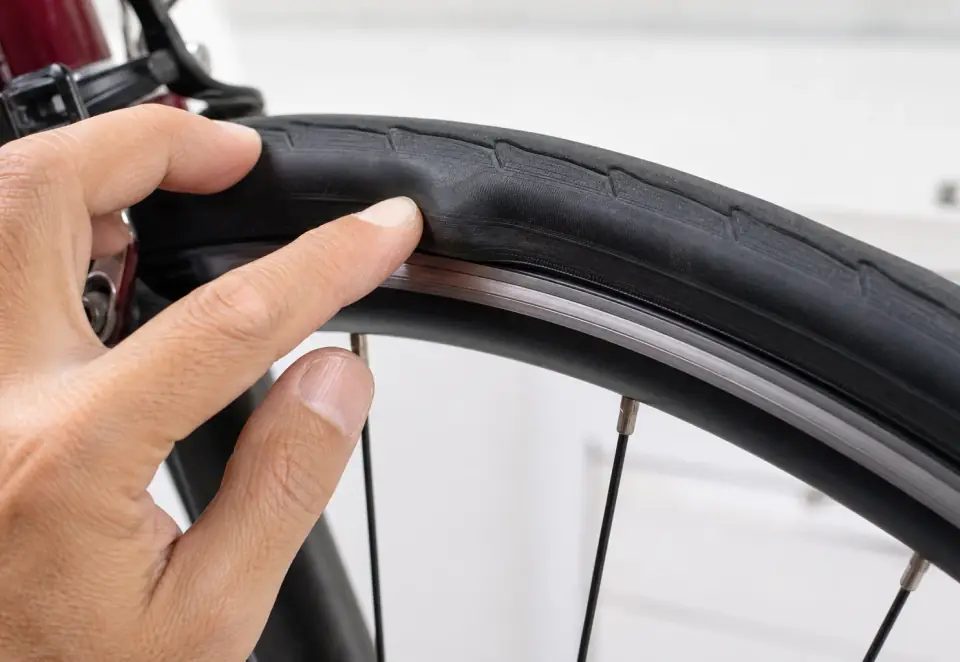 Bike Tire Bulge: Why You Should Stop Riding
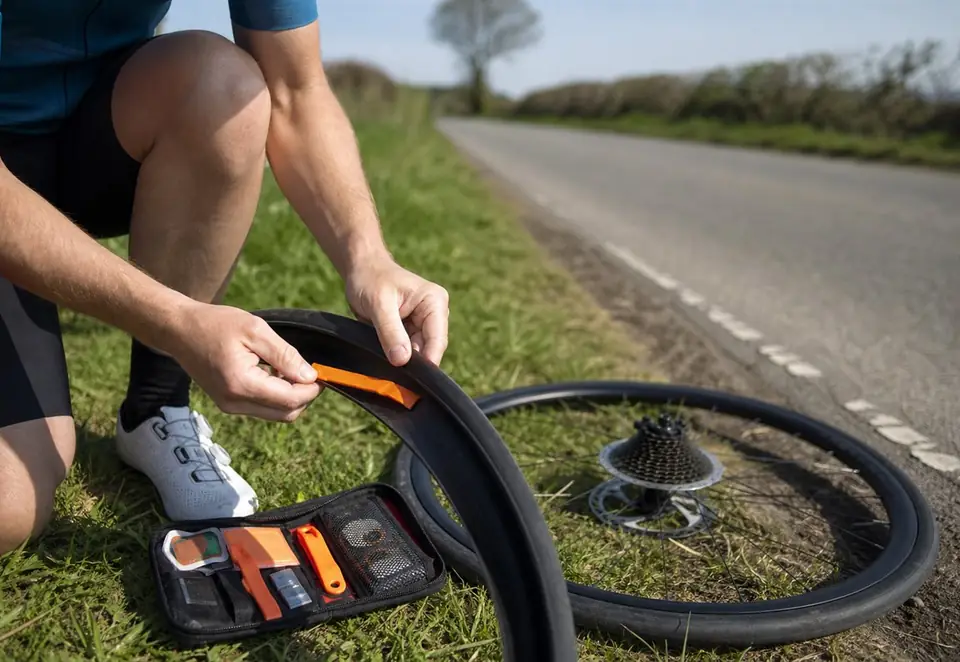 Bike Tire Cut: Can You Still Ride?
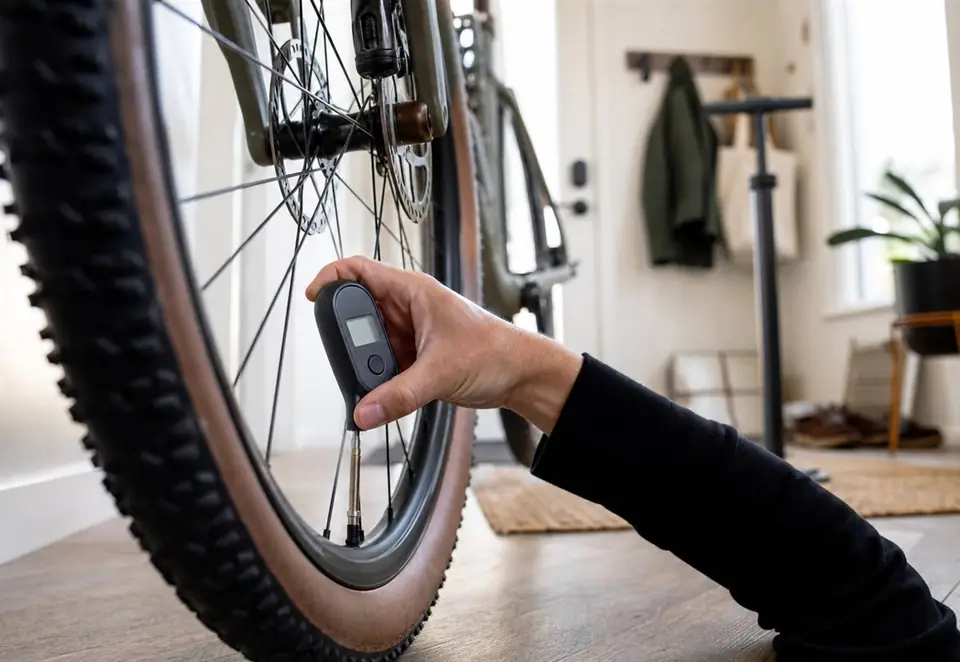 Bike Tire Inspection: Tread, Sidewall, Bead, and Pressure
Watch the technique
When Should You Replace Your Bike's Tyres?
Video by GCN Tech · Watch on YouTube