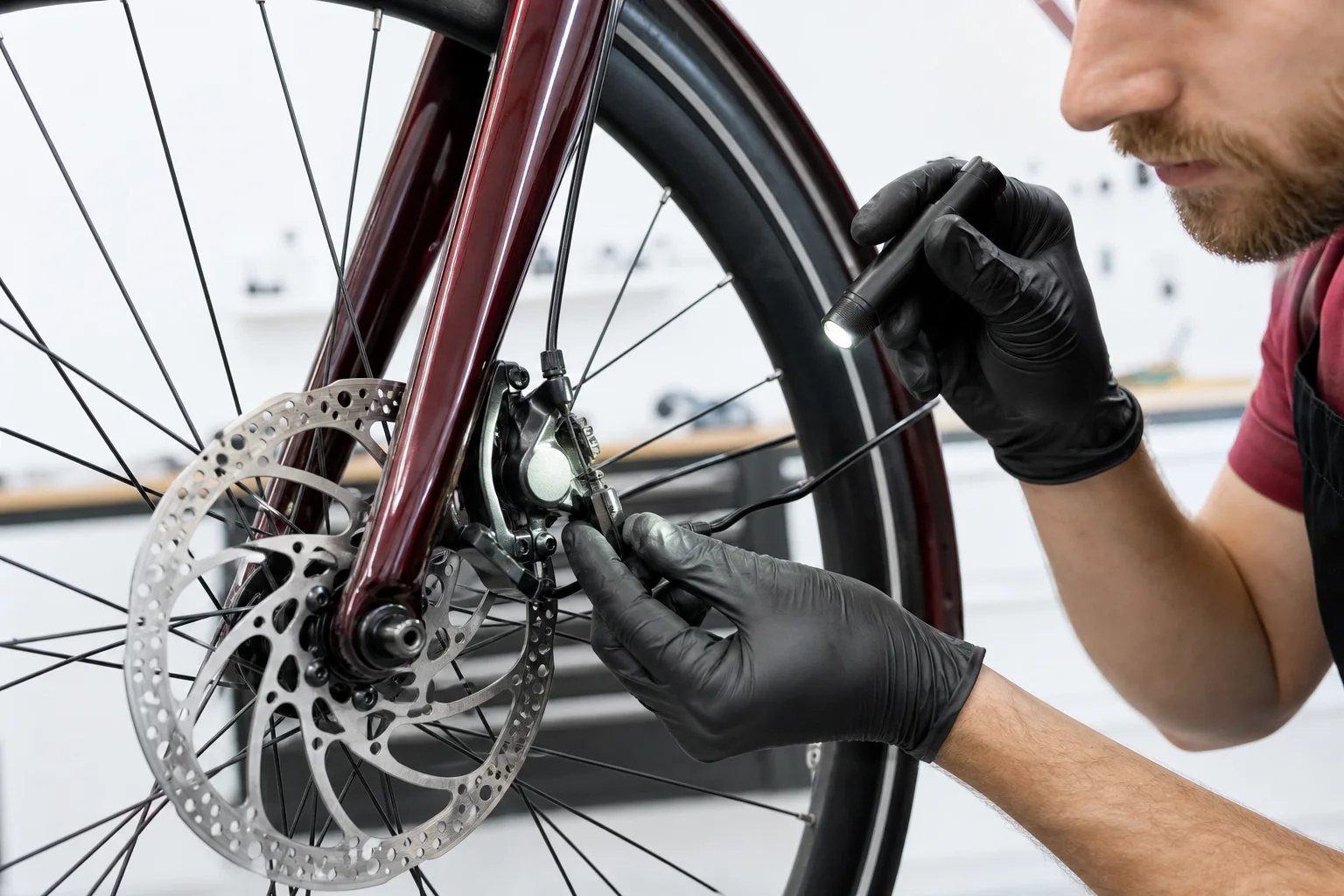
Do not ride when brake pads are at or below the manufacturer’s wear limit, braking is weak, metal contacts the rotor or rim, or pads are damaged or contaminated. Walking the bike or arranging transport is safer than trying to get one more ride from uncertain brakes.
Why the last millimeter matters
Thin material can overheat more quickly, change lever travel, damage the rotor or rim, and leave little margin for a long descent or wet stop. Metal-on-metal contact can rapidly turn a pad replacement into a more expensive braking-surface repair.
Do not judge by sound alone
Some worn brakes remain quiet, while healthy brakes can make noise when wet. Inspect pad thickness using the brake maker’s method and consider performance, wear pattern, contamination, and braking-surface condition together.
After replacement
Use compatible pads and follow the specified installation and bedding process. A mechanic should investigate uneven wear, leaks, damaged hardware, or a rotor or rim outside its service limit. Use the brake pad wear guide for the complete check.
Continue the topic
More brake care guides
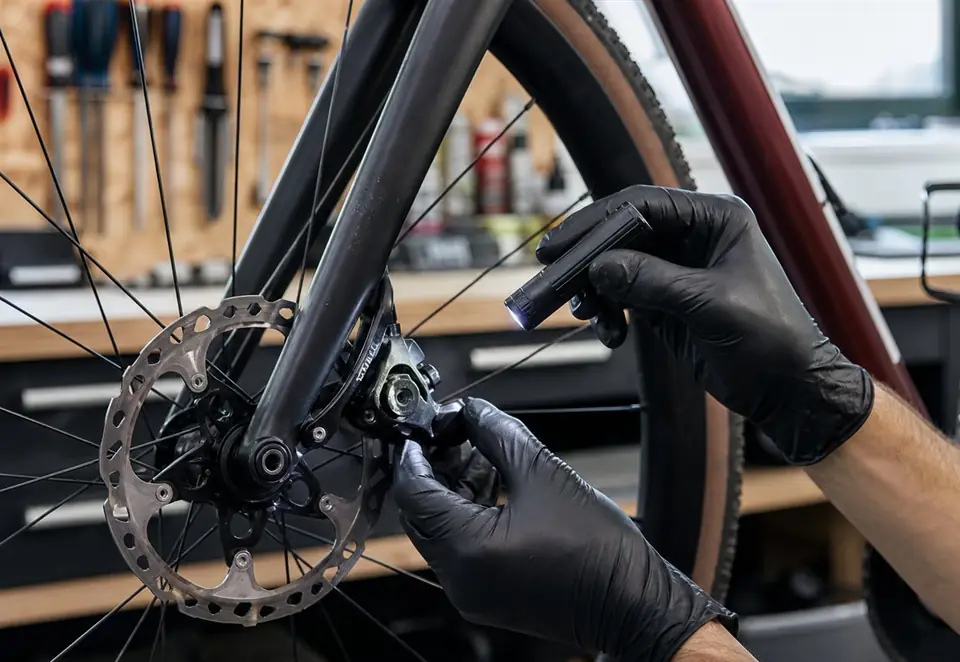 Bike Brake Inspection: A Safety-First Checklist
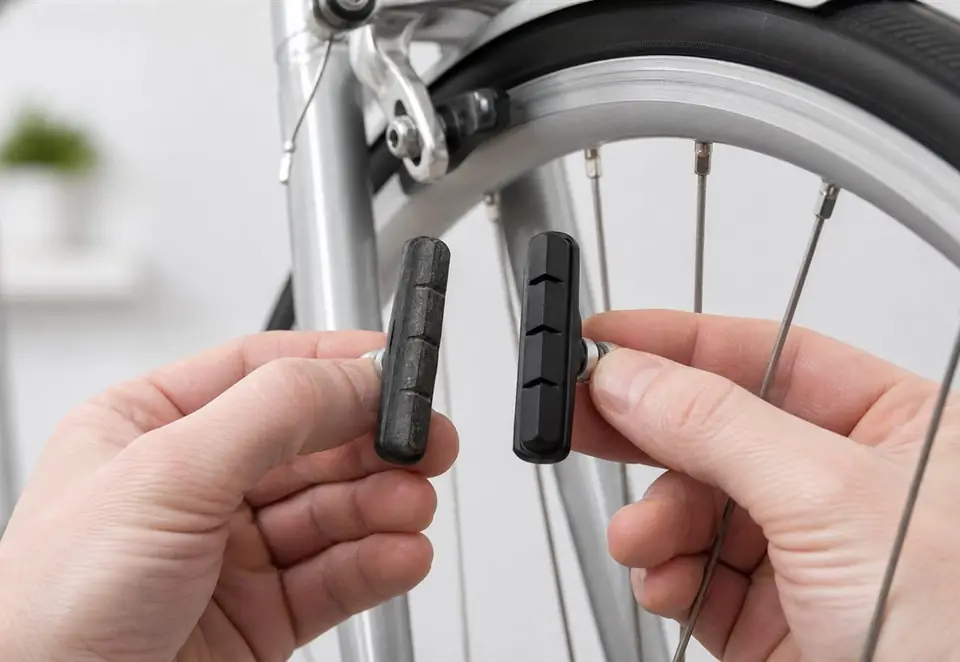 Bike Brake Pad Wear Signs You Should Not Ignore
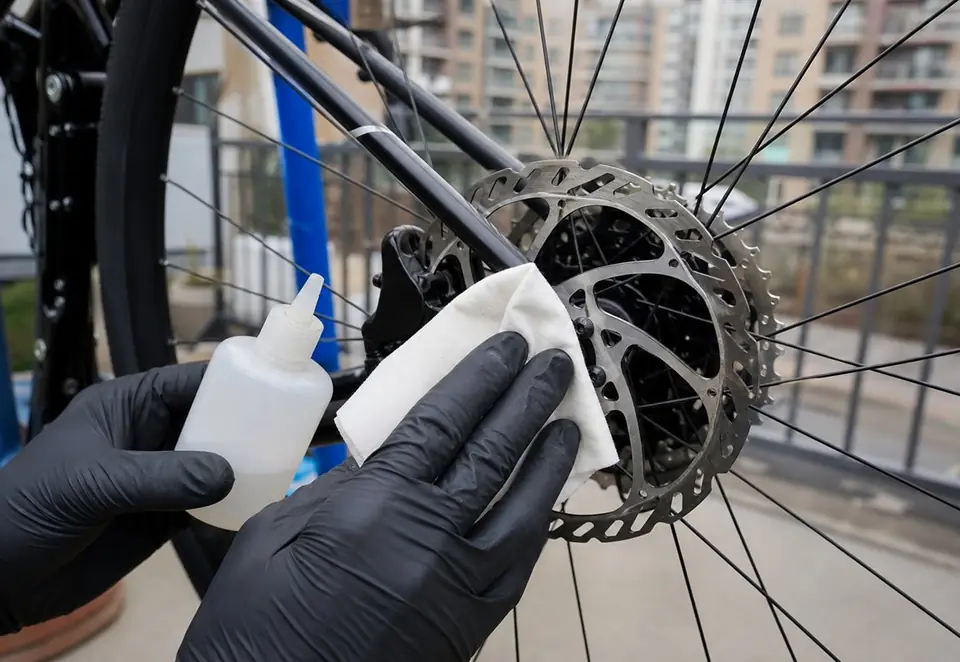 Bike Brakes Squeal: Causes and Safe Fixes
Watch the technique
How to Replace Bicycle Disc Brake Pads
Video by John on a Bike · Watch on YouTube